


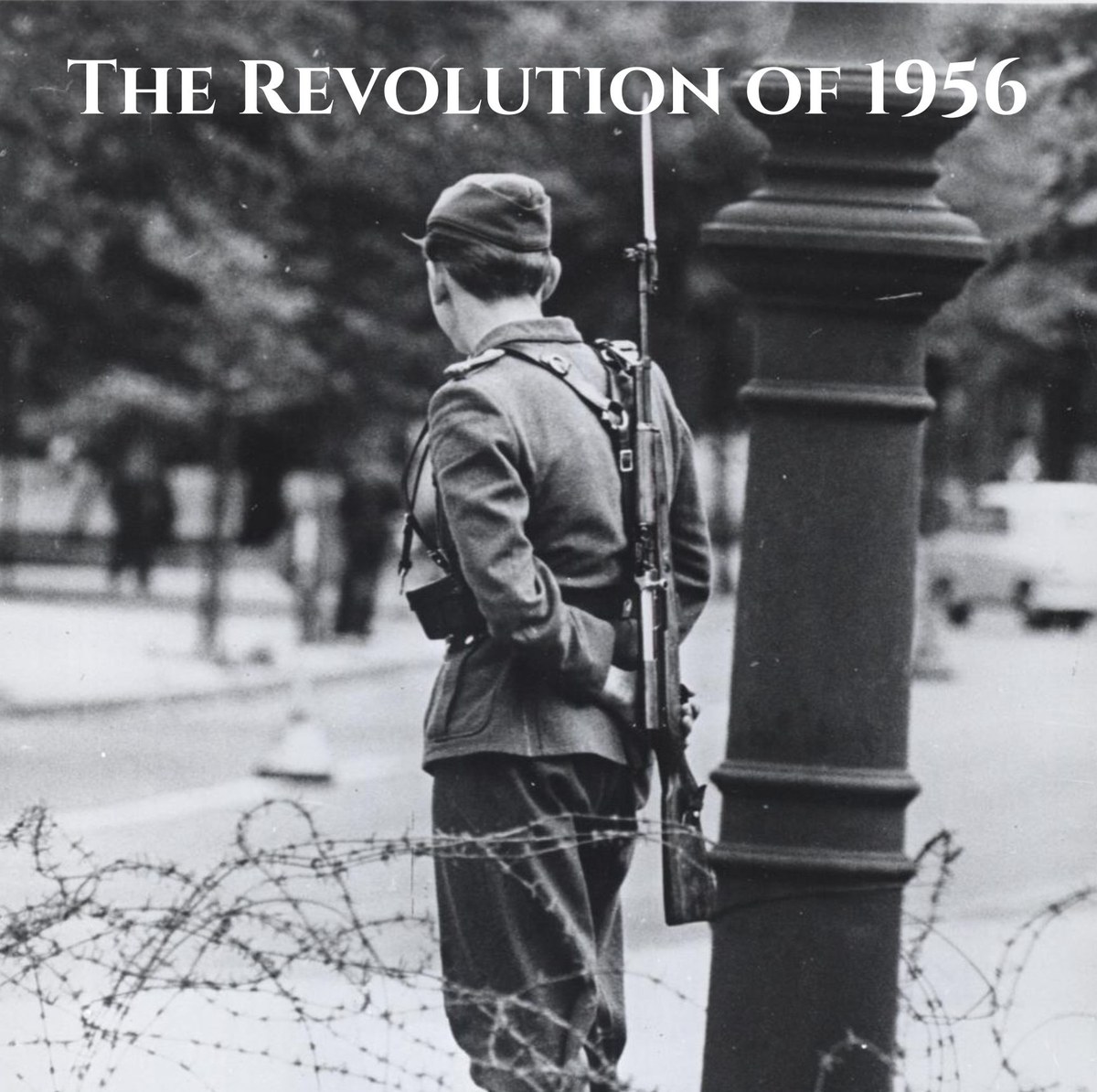
Winner of the Best Feature Script award at the October 2025 edition of the World Film Festival in Cannes, The Revolution of 1956 is a feature screenplay by American writer Allison Betts. At the heart of the 1956 Hungarian Revolution, Katerina, a Soviet spy, switches sides. Meet its screenwriter.
Congratulations on your Best Feature Script award! Reading your background, we learn that your love for film comes from the Marvel Universe, especially characters like Black Widow. Katerina, your protagonist, is a Soviet spy who changes sides. Did you write this film as a realistic, historical version of a superhero “origin story,” seeking, as you say, to find “the hero in all of us”?
First, thank you so much for this great honor! I am so excited to share my work at this distinguished festival.
I’ve never thought of this story as a realistic version of a superhero “origin story,” but that’s really interesting. Katerina is definitely a child of the superhero genre. I wrote her more as an anti-hero than as a traditional hero because I felt it brought her down to our level. It makes her struggle more relatable. As a child, what drew me to the stories of the Winter Soldier and Black Widow was their characteristically anti-hero struggles. They have pasts, guilt, and shame. They have blood on their hands. Katerina was born out of this same idea. Her heroics are in many ways redemptive as much as they are righteous.
The character of Nikita Kutuzov is fascinating in his refined cruelty. There is that striking scene where he burns a page of Petőfi’s poetry found among the rebels. This gesture seems to symbolize the destruction of the Hungarian soul just as much as its people. Did you want to show that the ideological war was fought as much on culture and words as it was on the battlefield?
Yes, absolutely! When I researched this project, I had to delve deeply into Soviet tactics of repression. I began to understand that words, ideas, and culture are often viewed as even more dangerous than actual bloodshed in a totalitarian system. The Soviets went to great lengths to censor information and even, to some extent, history, as we see through the old woman in the story. Her memories of past freedom make her dangerous. Ultimately, it comes down to who controls the truth. Once Katerina learns the truth of the Hungarian situation, she can no longer abide by the Soviet rules. In this way, truth is intimately connected with morality.
Your biography mentions your desire to delve into “history’s darkest pages” to uncover human dignity. Why did you choose the 1956 Hungarian Revolution specifically? Was the final scene of sacrifice at the Bridge of Andau the starting point for this exploration of morality?
All my stories are pulled straight from history because I believe history has the power to teach us about ourselves. No matter how advanced we become as a society and a people, human problems don’t change. What was true in ancient Rome is still relevant and powerful today.
I stumbled upon the 1956 Hungarian Revolution while researching a different project. Nonetheless, I quickly realized the story’s power, especially given how tragically it ends for the Hungarian people. Objective Morality was a theme that became attached to the story early on in development because I had wanted to explore it for a long time. Morality is a crucial player in all anti-hero stories, which was my starting angle. The final scene on the Andau Bridge was the jumping-off point. That moment completes Katerina’s moral arc and encapsulates the Hungarian struggle, indeed, the struggle of any oppressed people. Sometimes, it doesn’t end happy. But morality doesn’t mean you win — it means it’s right. Right is right, and wrong is wrong, no matter how it feels or what the outcome is. The scene connects the moral theme to Katerina’s love for the people, hopefully creating a compelling portrait of sacrifice. It’s the final thrust of the argument. Morality is the foundation, and love is the drive.
Your writing is very sensory, constantly emphasizing the biting cold and the oppressive silence. In the marsh scene, the tension relies almost entirely on the sound of the water and the breathing of the dogs. How do you write these sequences so that the reader physically feels this cold and this fear?
I am a very visual person. When I’m writing, I can see, hear, and feel what’s going on in a scene. I try to translate that onto the page for the reader to experience by focusing on small, sensory details, like splashing water or a baying hound. This builds the character’s unique perspective and emotion. They bring us into their world. I’m glad that comes through in this story. The final scenes in the marshes were extremely thrilling to write.
You state that you aim to uncover the “intrinsic value of every human life.” This is felt even with historical figures like Imre Nagy, whom you portray as very vulnerable. Was it difficult to humanize such a political icon without betraying historical truth?
Hmm, that’s an interesting question. It’s always hard balancing real life with fictional characterization. Historically, I think I had the benefit of not knowing much about Imre Nagy going into the development process. I knew early on that he would be the target of Soviet aggression. However, as I continued my research, I found a man sincerely committed to his people, so I focused on this as the core of his character. This made it easier to humanize him than if I had built him solely on his politics.
You have said you want to tell stories that will have “a lasting impact on this world.” Now that this script has been awarded here at the festival, what is the main message or emotion you hope the audience will take with them when leaving the theater?
I hope that the audience thinks about this story for a while after leaving the theater. Despite the tragic ending, or maybe because of it, I hope audiences will hold a new hope in their hearts about the dignity of human life. Perhaps, they’ll even feel empowered by Katerina’s story that one person can make a difference if they stand for their moral convictions. I hope they do. To use a line from Robert F. Kennedy, “Each time a man stands up for an ideal, or acts to improve the lot of others, or strikes out against injustice, he sends forth a tiny ripple of hope.”
We can all be hope for others, for this world. That is the message I hope this story tells.
A short statement describing your vision of post-COVID cinema: do you think there will be notable changes?
COVID introduced many new factors into the film industry, not all of them good. Streaming and AI in particular have threatened the creative process and left movie theaters empty across the world. However, I remain optimistic because film will continue to thrive as long as people continue to crave real, human stories that transcend this world and point to the next. Stories are a part of humanity’s DNA. They won’t be going away anytime soon.
Of course, COVID changed the landscape, but if anything, it has opened more opportunities for new voices and new stories. We must continue to push forward and create stories for the next generation.
BIO
Biography of Allison Betts
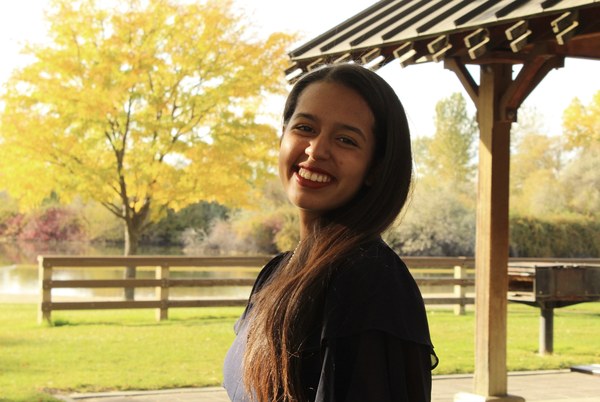
Allison M. Betts is a screenwriter with a passion for history and humanity. Her stories aim to uncover the intrinsic value of every human life, providing an avenue to express the emotion, morality, and dignity that distinguish humanity from all other creatures. In 2025, Allison graduated from Los Angeles Film School with a B.S. in writing for TV and film.
As a child, Allison was drawn to the magic of film through the superhero stories of the Marvel Cinematic Universe. Her first script, The White Wolf, was a tribute to the superhero stories of the Winter Soldier and Black Widow. Five scripts later, her love for superheroes has not dimmed, and her characters reflect the hero in all of us with stories drawn straight from history’s darkest pages. Her latest script, Blue Eyes, delves deep into Hollywood’s history through the journey of the iconic singer, Frank Sinatra.
When she’s not writing, reading, or watching yet another Cary Grant movie, Allison loves to laugh, most often at herself and her crazy obsession for telling stories that will have a lasting impact on this world.
Official links
Website: allisonmbetts.com
YouTube: @sdgstudios2023
LinkedIn: allison-betts
Read also
Interview with Amir Cole, Screenwriter of “Operation Vendetta”
Interview with Chris Shafer, Screenwriter of “Living Dead”

