


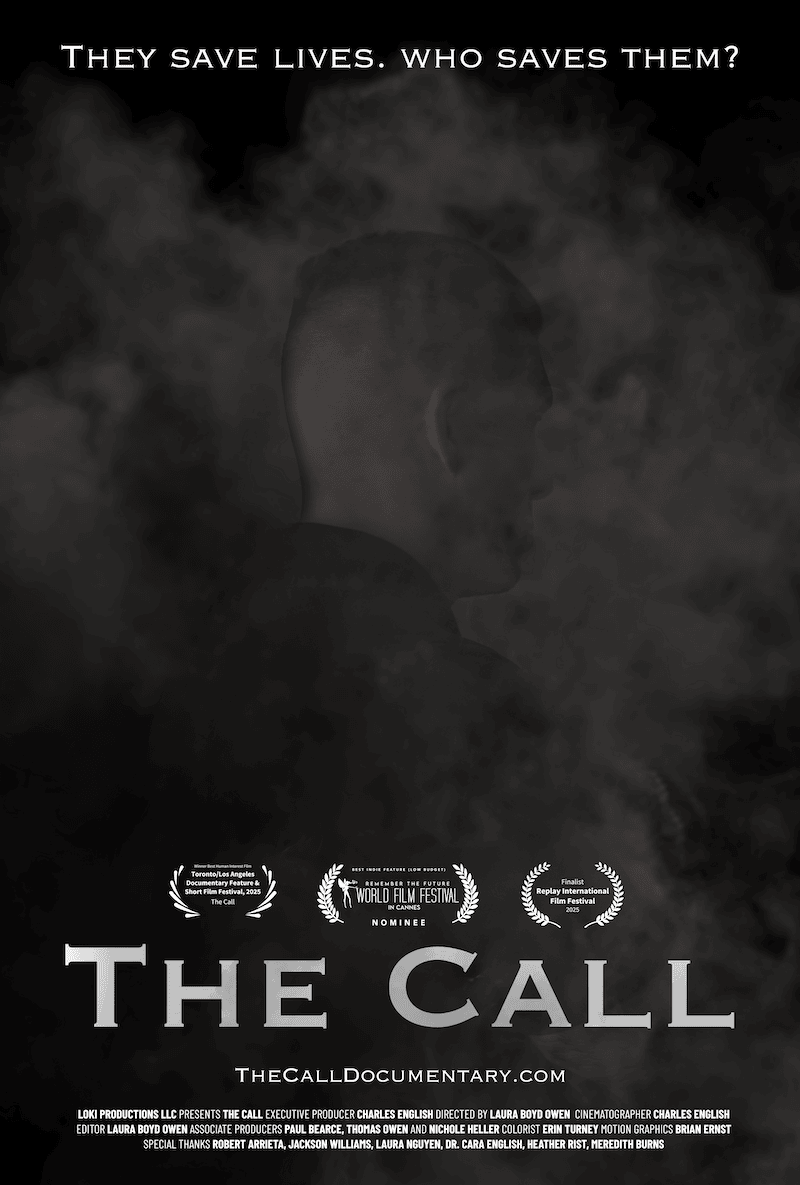
Hey, Laura and Charles. Welcome to the World Film Festival in Cannes interviews. Your documentary is about the firefighters and how they are susceptible to depression and suicide. Can you walk us through the steps that led you to choose this topic?
Laura’s responses are in blue.
Charles’ responses are in orange.
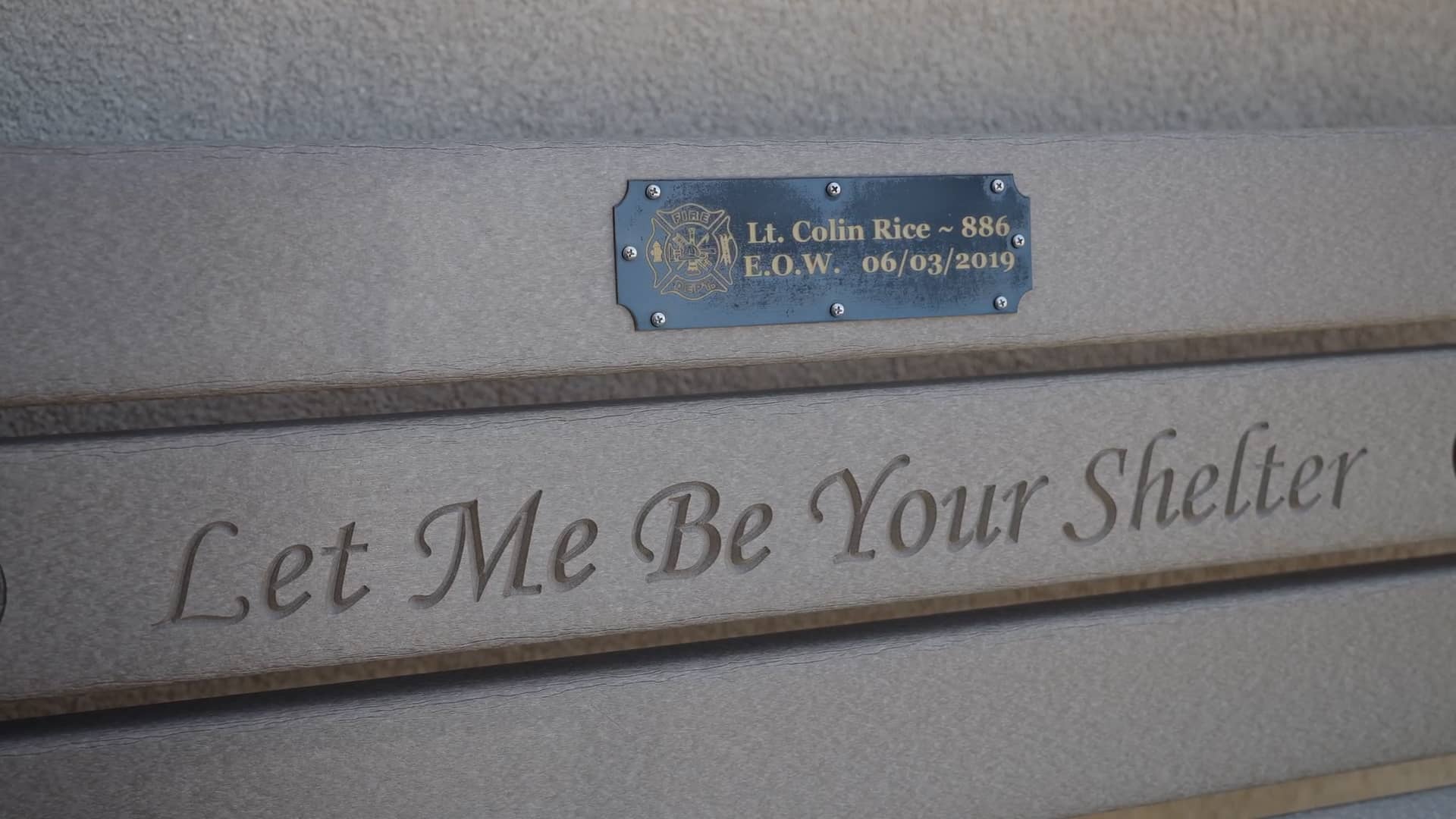
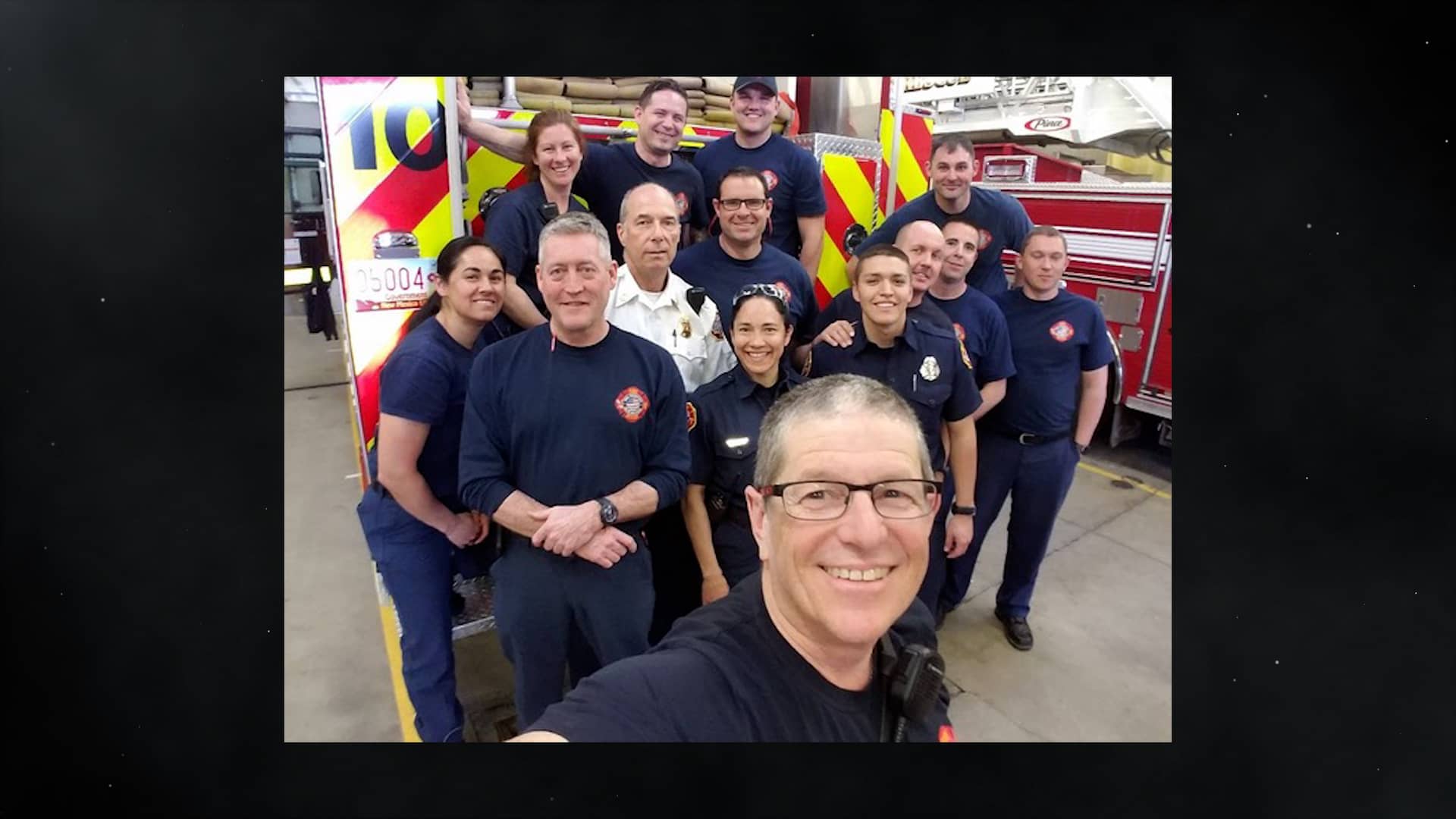
This film grew out of a desire to make something that could have a lasting impact, rather than simply documenting a topic at the surface level. Charlie and I initially came together to explore ideas where storytelling could genuinely contribute to change, and through his wife we were introduced to Chief Bearce and Jackson Williams, who are actively working to address suicide prevention and mental health stigma within the firefighting community. Once we began those early conversations, it became clear to me that this wasn’t just an important issue, it was a story with emotional depth, access, and urgency. I could see how the narrative could unfold through the lived experiences of firefighters and the quiet toll the job takes over time. From there, we continued developing the project, shaping the story and moving into production. The film was entirely self-funded and independently produced, which allowed us to approach it with care, trust, and creative freedom.
Unfortunately, the topic of trauma within the firefighter and first responder communities has been underserved for far too long. After producing a podcast years ago about this topic, the idea sat with me until Laura and I made the decision with Chief Bearce and Jackson Williams to move forward on this project. We felt as a team that showing the hope and support that is being built around these communities was, if not more important than focusing on the chronic trauma exposure that first responders experience on the job.
Charles Edwin English’s bio says that he brings a “raw, authentic lens to this debut documentary, which explores the emotional toll of firefighting”. What’s your take on this?
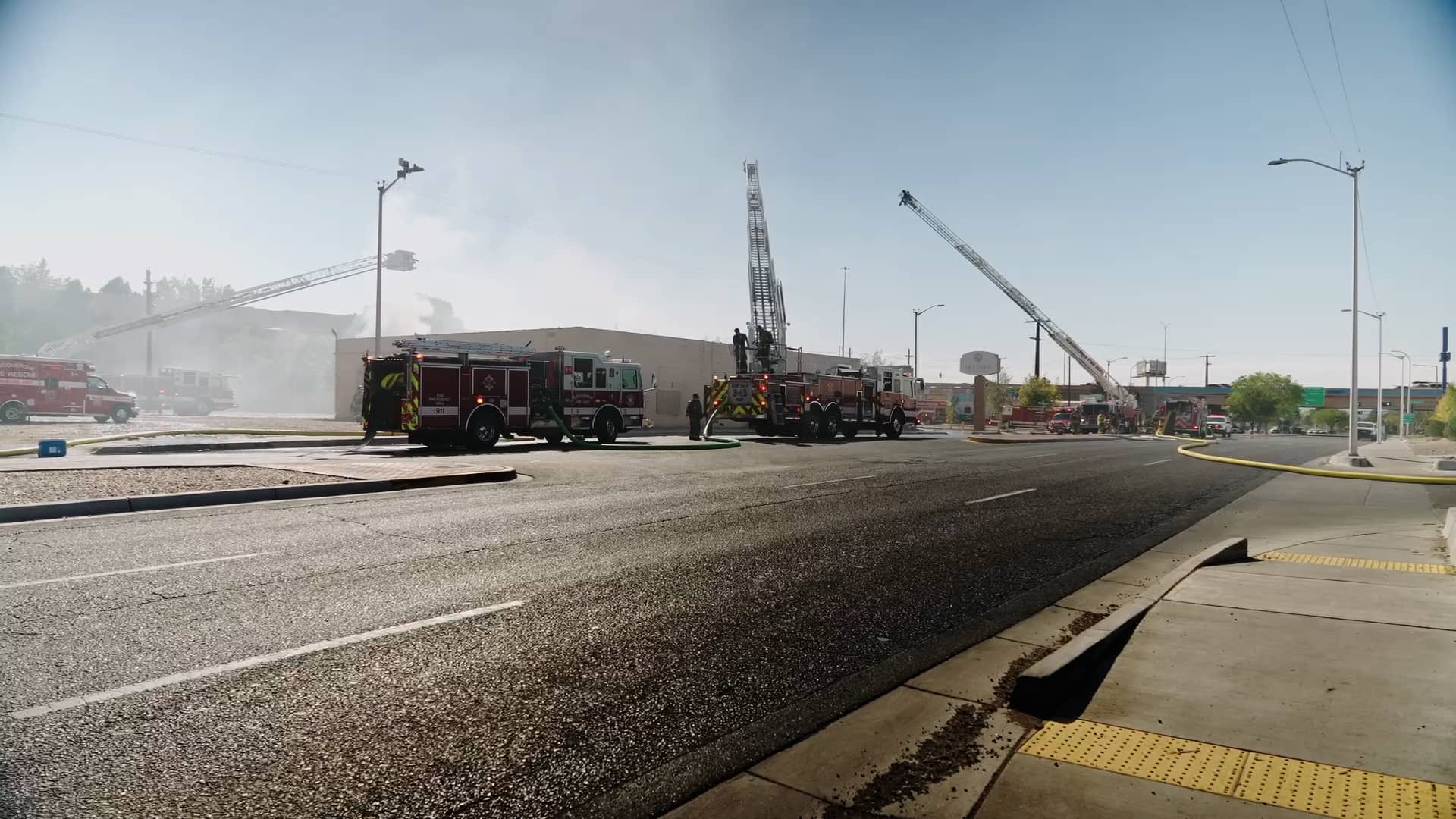
Because we worked as a two-person crew, there was a lot of overlap and trust between roles. Charlie carried an enormous technical load on set often serving simultaneously as cinematographer, audio recordist, and gaffer which allowed us to move quickly and stay intimate with our subjects. From a storytelling perspective, we were very intentional about how the imagery supported the emotional arc of the film. As we move into heavier conversations around suicide and loss, the visual language becomes darker and more restrained using natural elements like trees and shadow to reflect that weight. As the film shifts toward advocacy, hope, and forward momentum, the imagery opens up, and we begin to introduce water as a visual counterpoint which is a way of symbolically cooling what has been burning. Charlie’s ability to capture those moments whether on the ground or through drone work helped give the film a raw, grounded authenticity while still serving the larger emotional structure of the story.
This is a question for Charles! Do you agree that Laura Boyd’s first feature-length documentary is “a deeply personal passion project that sheds light on the mental health crisis affecting firefighters and first responders”?
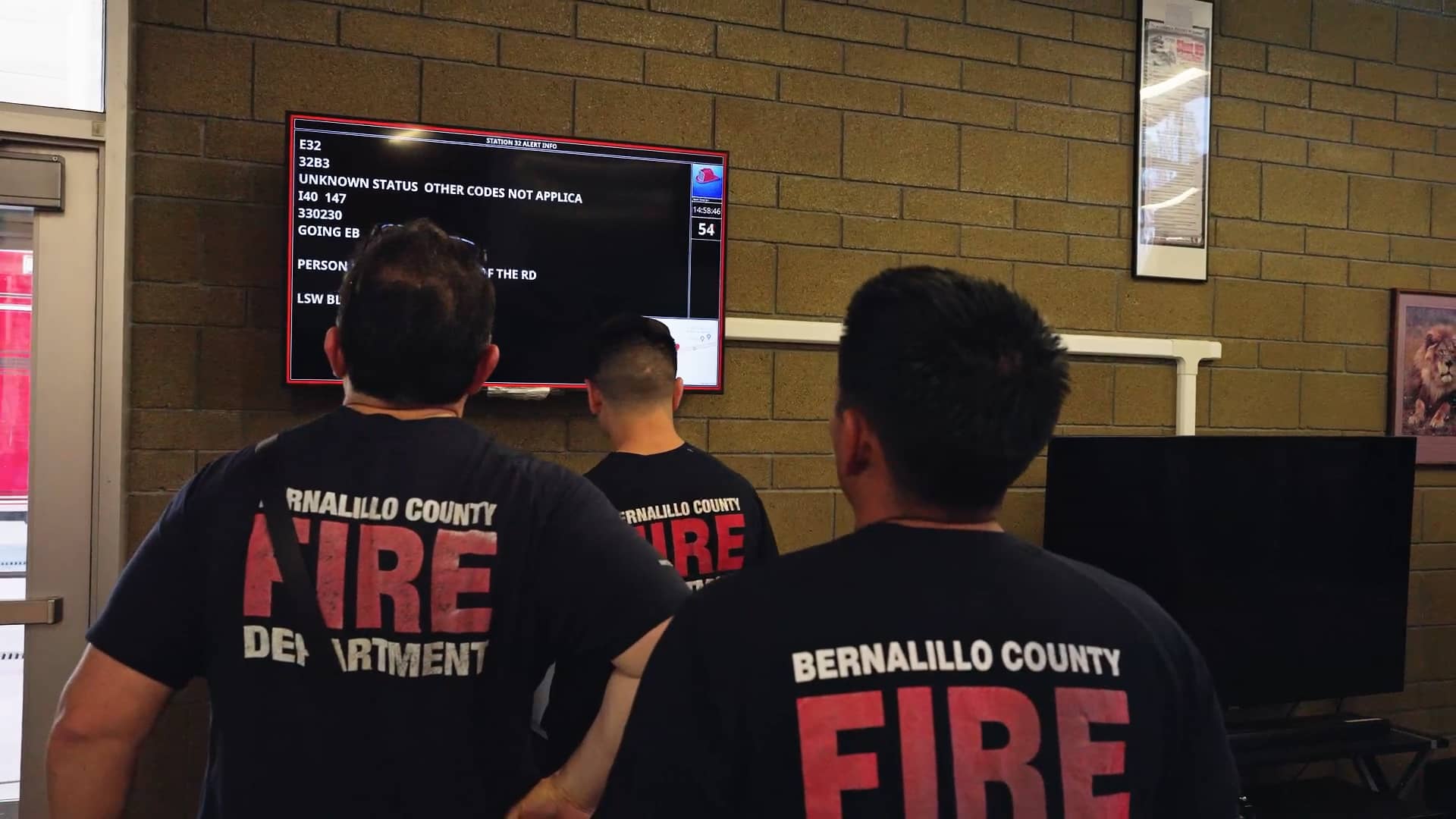
Absolutely! Everyone knows or has a first responder in their lives that they care about and Laura is the same. I was the one onsite filming and passing along the daily wrap ups to her as best as possible. But when she got the clips and started building the first draft, I could really see her passion for this project truly light up! We got so lucky working with some amazing people in the firefighter community and her ability to tell this story was critical to the film’s success so far.
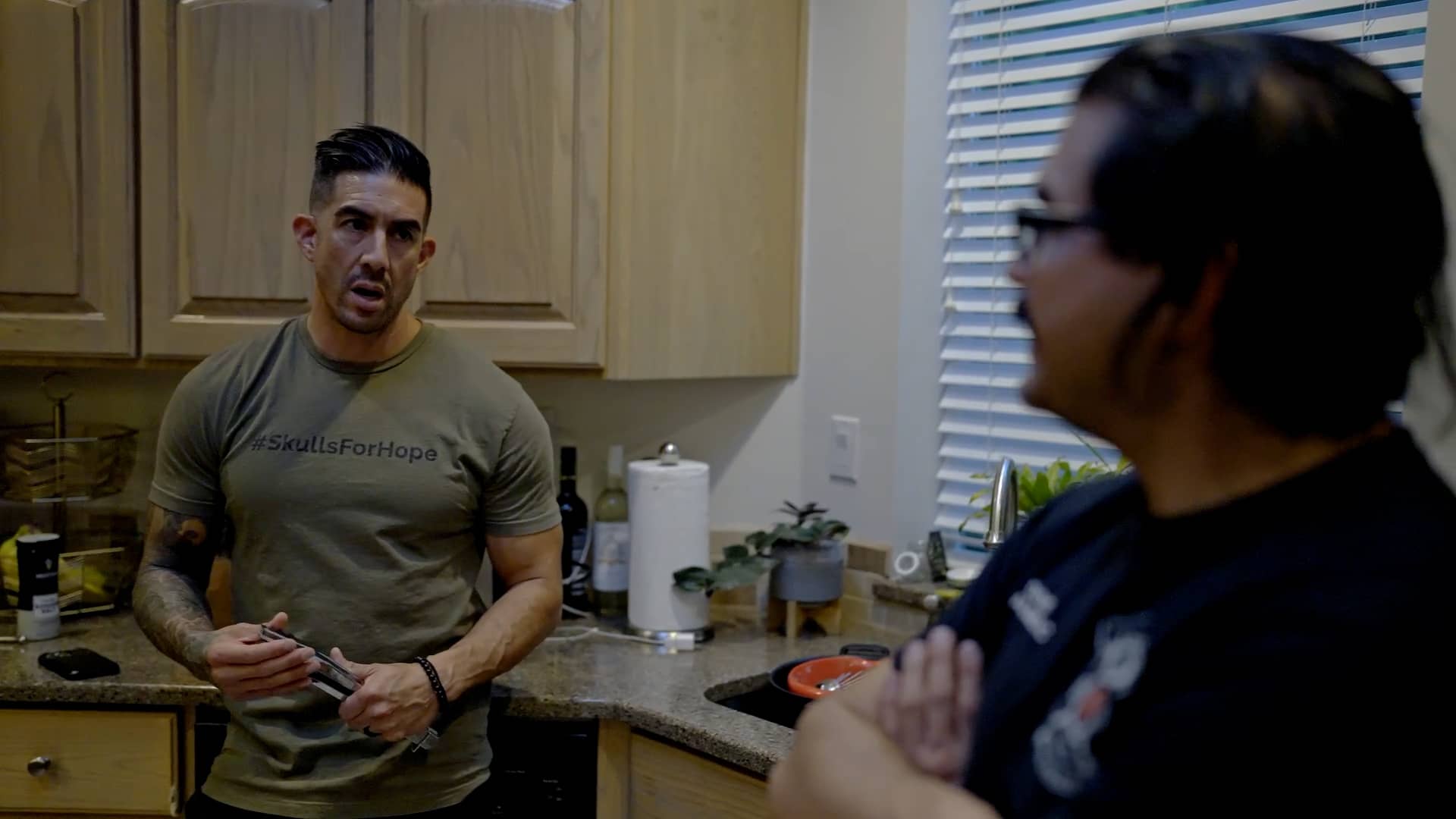
One of the firefighters says that it feels like you have a million dollars in your pocket when they make a difference, and that wipes out everything else.
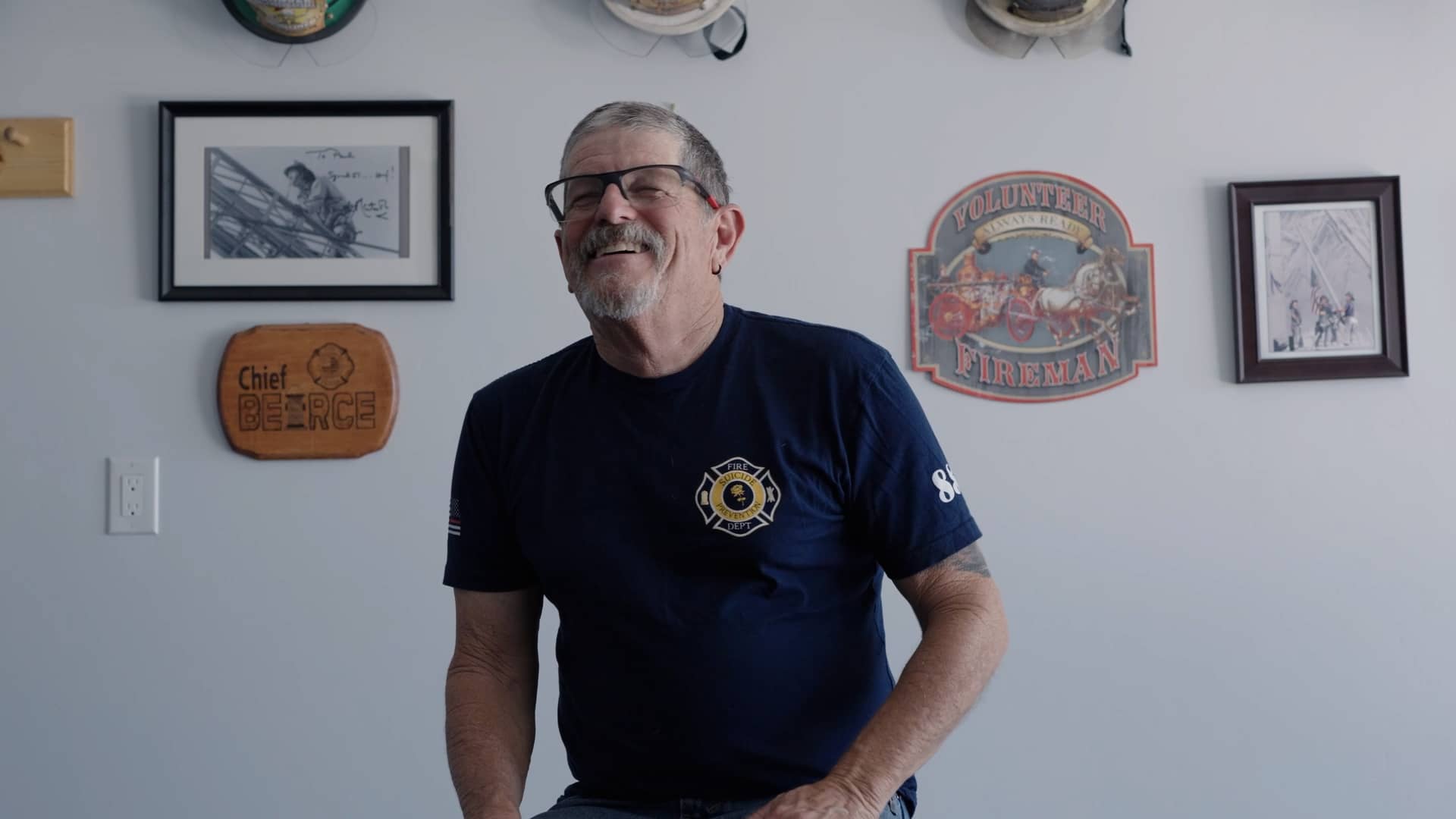
That moment with Chief Bearce was incredibly important to include because it captures the emotional paradox at the heart of the profession. I wanted the audience’s introduction to him to feel human, not just as a firefighter, but as someone who genuinely carries the weight of every outcome. Even in what appears to be a good story, making a difference and helping someone, you see how deeply it affects him. The fact that he becomes emotional while describing a save tells you everything about how much these men and women care about the people they serve. That moment helps set the tone for the entire film. It shows that while saving someone can feel like a million dollars in your pocket, the emotional cost doesn’t disappear and when they aren’t able to save everyone, through no fault of their own, that weight stays with them. I wanted the audience to understand that depth early on, so the rest of the film could be felt, not just understood.
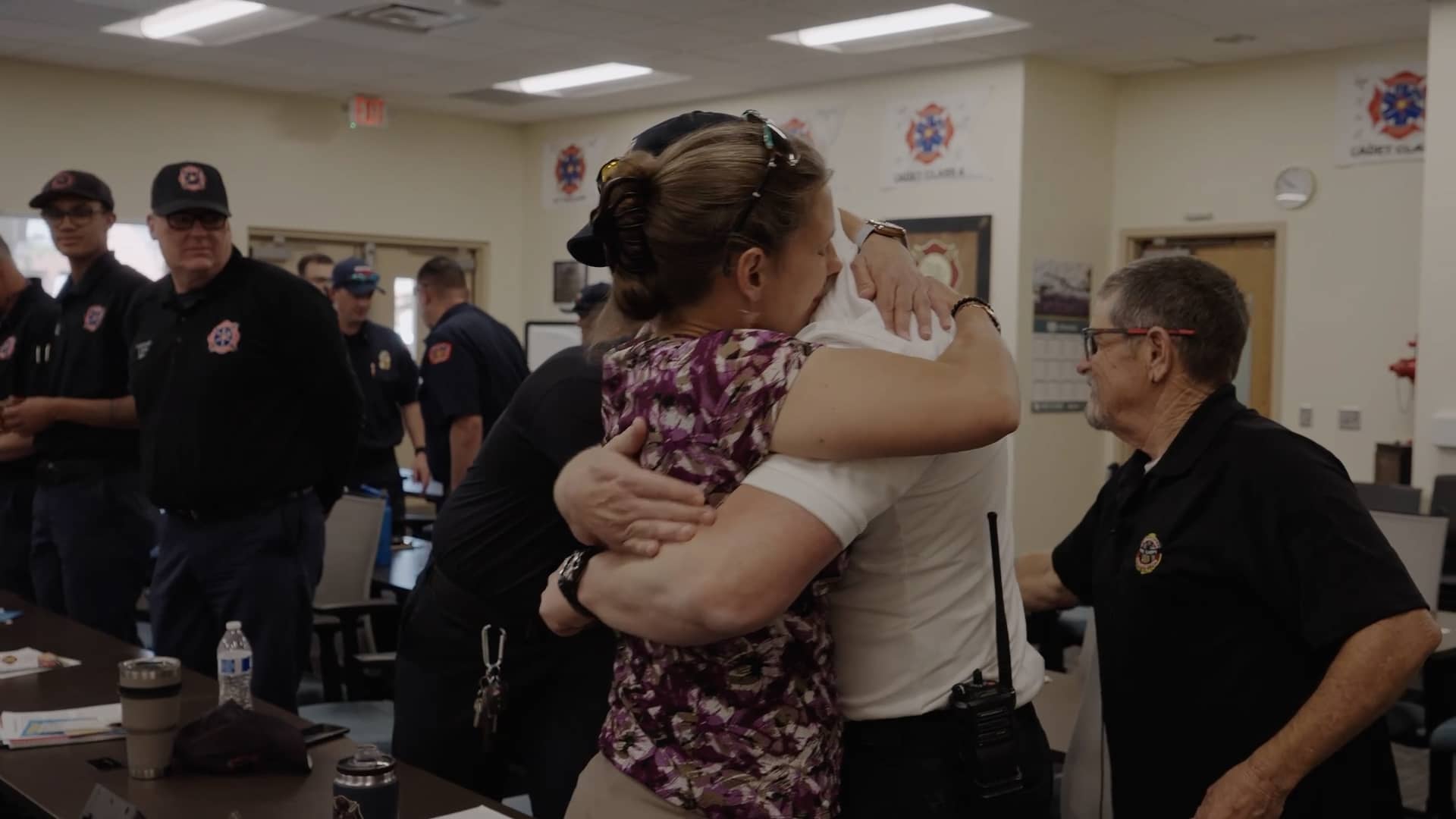
Alcoholism in this profession is the result of firefighters wanting to numb themselves out of the pain that they witness day in and day out. How serious is this issue?
This is an incredibly serious issue, and one we wanted to approach with care and without judgment. In the film, our subject Robert articulates this powerfully when he describes how alcohol became a step that led him further down the path of suicidal thoughts. Alcoholism in this context is often not about recklessness, but about coping. It’s a way to numb the emotional weight of what firefighters witness day after day. While they are held to an extremely high standard of sobriety and professionalism on the job, those emotions don’t disappear once a shift ends and they often surface later when there is less structure and support. We wanted the film to help reframe substance use as a warning sign rather than a moral failure. It’s often a signal that someone is struggling and needs help. Raising awareness around those signs and encouraging compassion rather than silence was an important impact we hoped to achieve with this documentary.
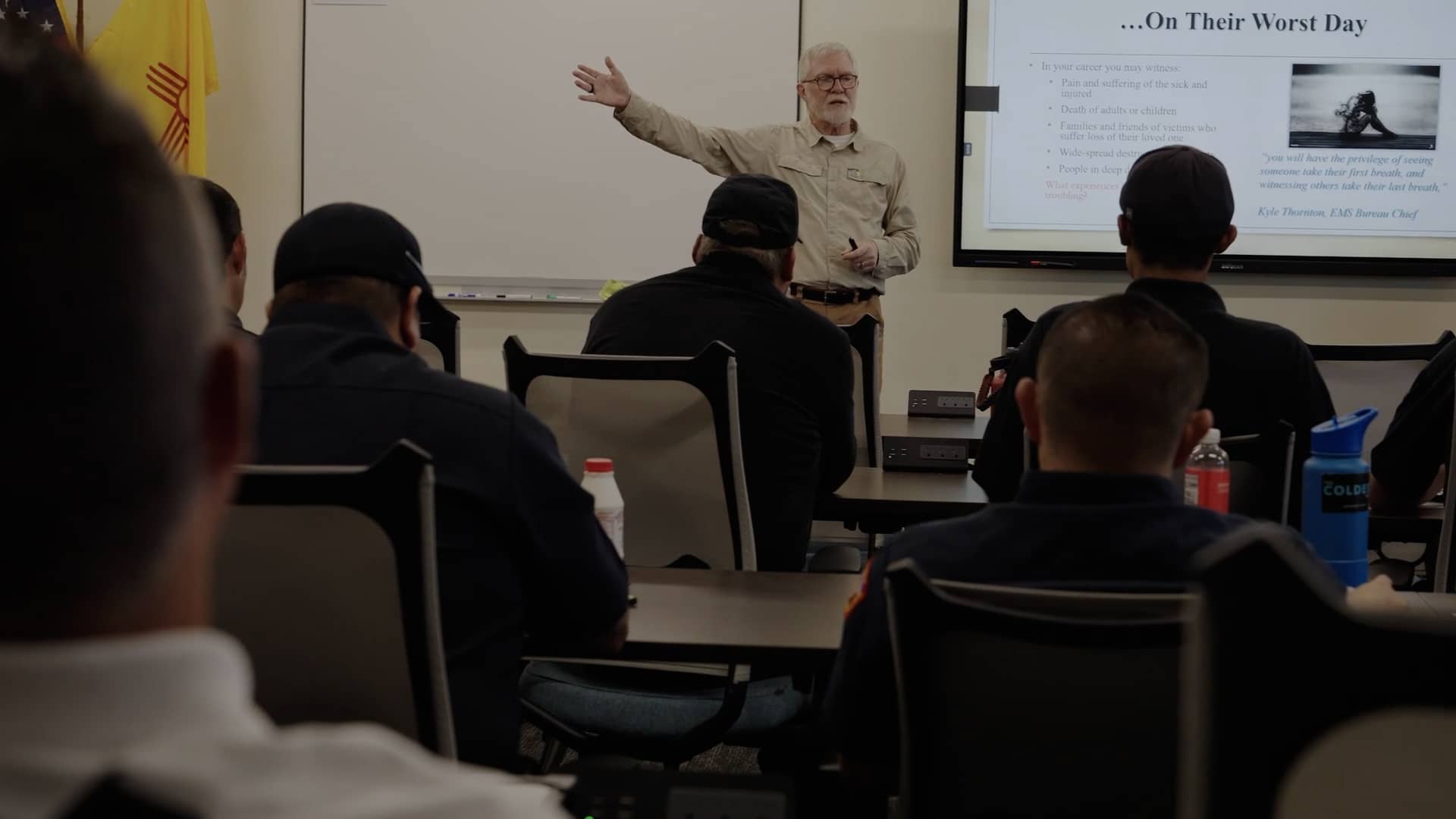
Please tell us more about the 4 Fs, i.e. Fight, Flight, Freeze, Fawn.
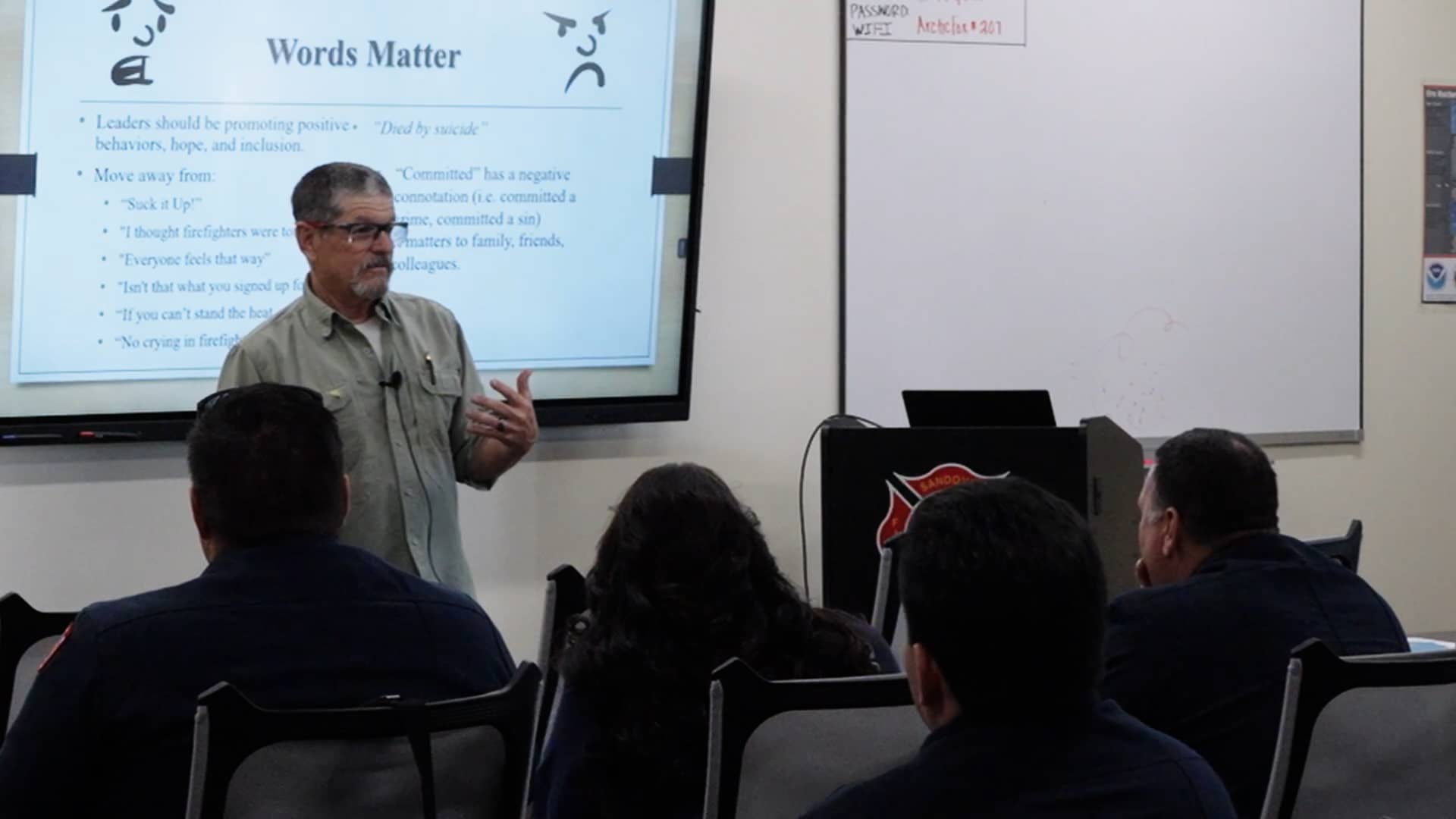
Bringing in trauma specialist and mental health counselor Heather Rist to explain the four Fs was an intentional choice to help ground the film in education as well as experience. What I appreciate most about introducing the concepts of Fight, Flight, Freeze, and Fawn is that they apply to everyone, not just firefighters. While the film focuses on the first responder community, trauma is not exclusive to any one profession. By breaking down these responses in a clear, accessible way, we wanted to give audiences a shared language for understanding how trauma shows up in the body and behavior. Whether someone has a direct connection to first responders or not, recognizing signs of fight, flight, freeze, or fawn can help people identify when they or someone they care about may be struggling. Our hope was that this section of the film empowers viewers to recognize those signals earlier and understand that they’re indicators of something that needs care and support, not something to be ignored.
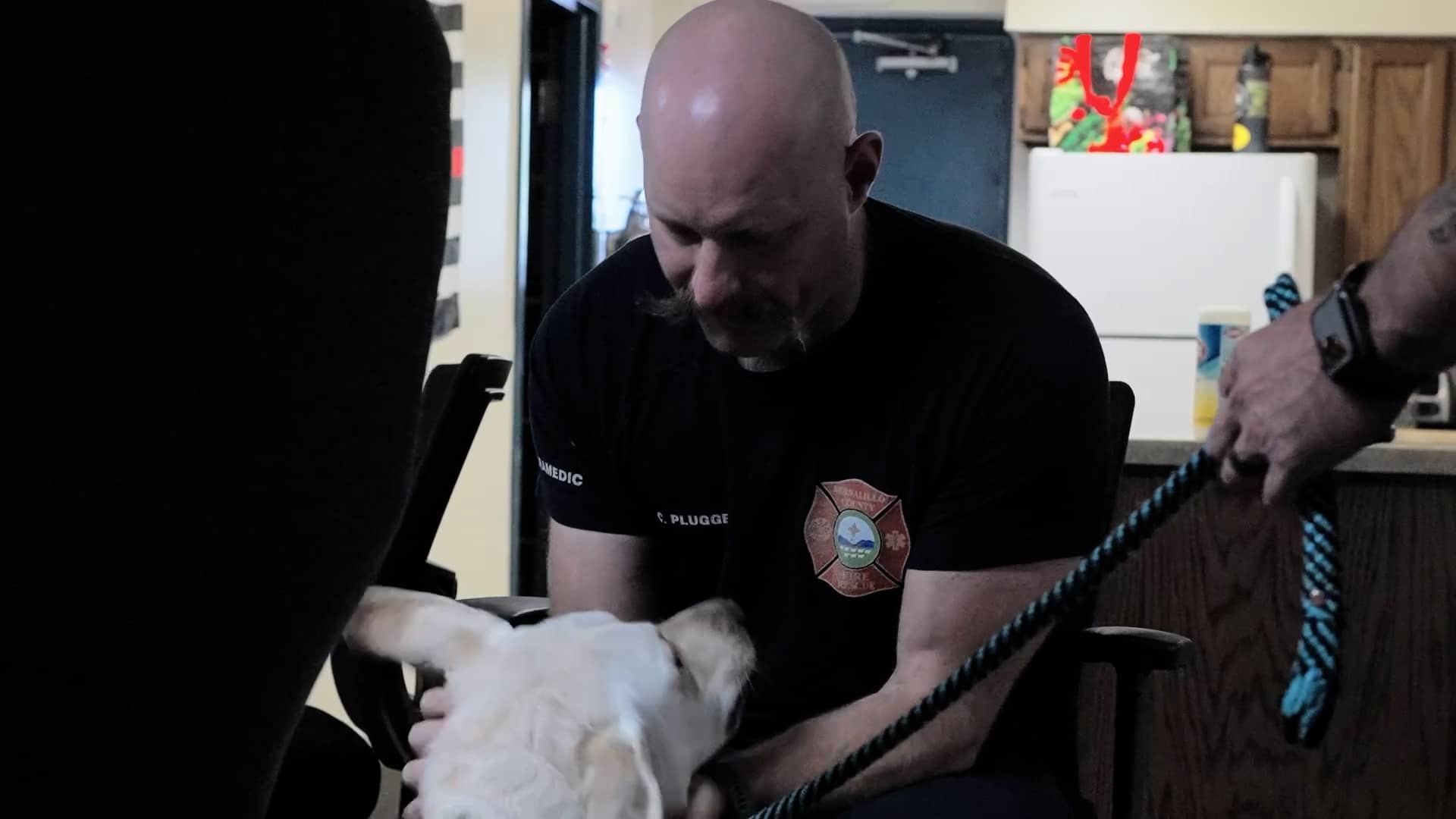
Recognizing and treating PTSD seems to be the way forward. Do you agree?
Yes, but it also requires building systems that help minimize PTSD by recognizing the issue earlier. That starts with removing stigma and creating environments where individuals in the field feel supported in acknowledging when something has affected them, before it escalates into something more severe. Trauma will always be part of this profession, but PTSD doesn’t have to be the inevitable outcome. Creating an ecosystem of education, peer support, and accessible mental health resources allows firefighters to recognize warning signs early and develop healthy ways to process what they experience. Providing the tools and support to cope with trauma rather than ignoring it is the most vital way forward. If this film helps even one person feel less alone or more willing to reach out for support, then we’ve accomplished something meaningful.
I agree with everything Laura said! Taking that first step to have a conversation with a colleague or making the call to set up an appointment with a therapist who specializes in trauma or just speaking to an organization like Next Rung is critical. We need to let go of the stigma that asking for help is a weakness, it is not! If you can be the best you for yourself, your colleagues, family, partners or the populations that you serve, why would you choose not to be that best version of yourself? My hope is that The Call is a small step towards making that change.
What is your post-covid cinema statement ?
Post-COVID cinema has changed in ways that are challenging, but also incredibly full of possibility. While the traditional movie-theater experience isn’t as central as it once was, we’ve seen a rise in new platforms, new distribution paths, and more interest in authentic, grassroots storytelling. For independent filmmakers, that shift has opened doors. Audiences and distributors are more willing than ever to discover work that is intimate, socially relevant, and made outside the studio system.
Our hope is that the industry finds the balance of pairing the magic of shared in-person screenings with the expanded access and global reach that digital platforms now provide. For films like The Call, which rely on real human connection, this hybrid future feels like an exciting opportunity.
BIO
Filmmakers Biographies
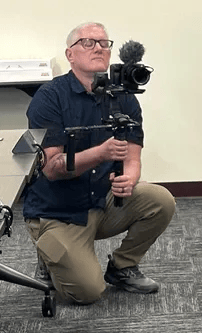
Charles English is a first-time filmmaker driven by a deep commitment to storytelling that he has nurtured throughout his professional career. Wearing multiple hats as director, producer, and cinematographer, Charles brings a raw, authentic lens to this debut documentary, which explores the emotional toll of firefighting—focusing on trauma, suicide, and mental health within the community of first responders and the support structures that the community is creating to save the lives of their own.
Charles embarked on this project with the goal of breaking the silence around the invisible wounds many firefighters carry. He relied on his passion and journalistic integrity to build trust with subjects and craft an intimate, unflinching portrait of real life behind the sirens.
Charles began his professional journey as a video editor at KSAZ in Phoenix, Arizona, and then advanced into a Video Production Manager role at Informa. In 2023, Charles launched Loki Productions, LLC, his own production firm, and then made the leap to expat life in Portugal with his family in 2024.
—
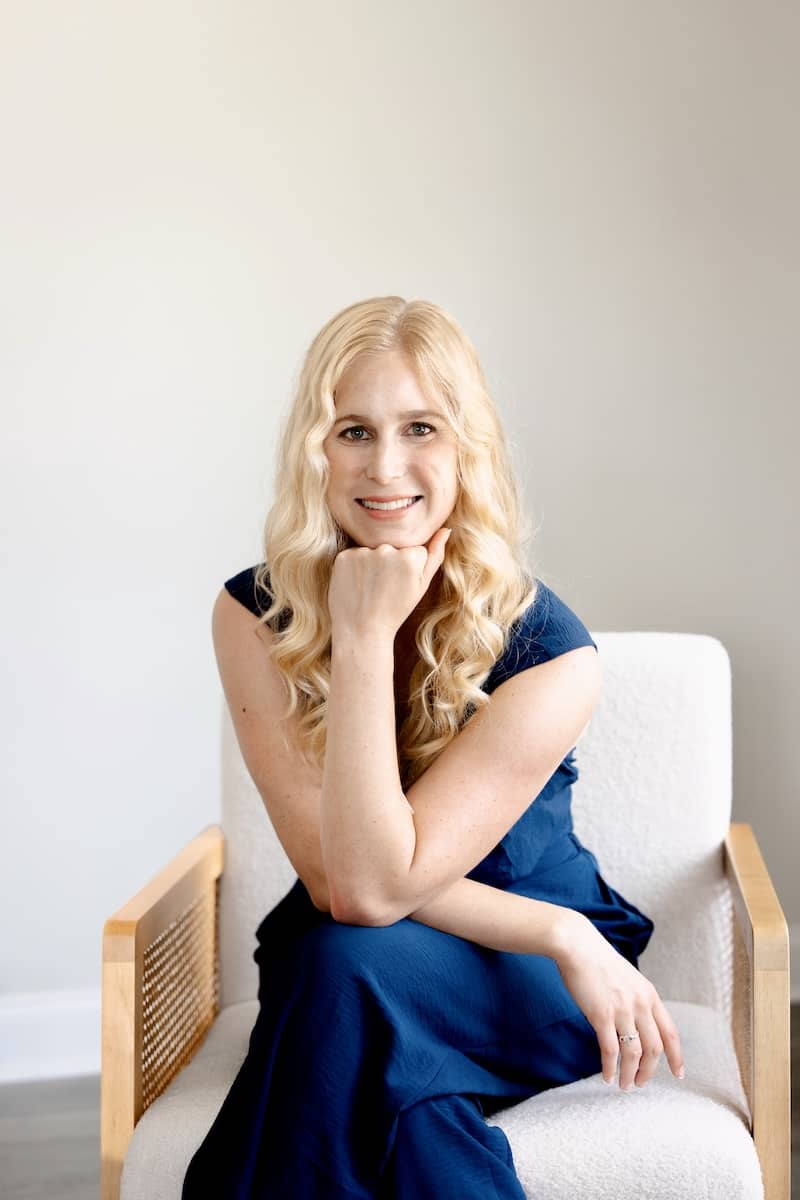
Laura Boyd Owen is a director, producer, and editor with a passion for meaningful storytelling and a strong foundation in creative leadership. With a B.A. in Film and Video from Columbia College Chicago, Laura has built a career creating impactful video content across television, digital platforms, and branded media. She has held creative roles at outlets such as the Chicago Tribune, WGN America, Newsy, and Antenna TV, and currently serves as Creative Operations Manager at Informa Engage, a B2B marketing agency.
Her work spans promotional campaigns, documentaries, and news features, with a focus on blending narrative depth and visual clarity. The Call marks Laura’s first feature-length documentary, a deeply personal passion project that sheds light on the mental health crisis affecting firefighters and first responders. Inspired by earlier short documentary work in college and Nicaragua, and driven by a belief in the power of media to spark change, Laura brings empathy, editorial precision, and creative vision to the film.
Outside of her professional work, Laura is an Ironman triathlete, beach volleyball player, avid traveler, and lifelong lover of storytelling. The Call reflects her ongoing commitment to projects that matter, ones that elevate untold stories and foster connection through honest, human-centered filmmaking.
©2026 Isabelle Rouault-Röhlich

