


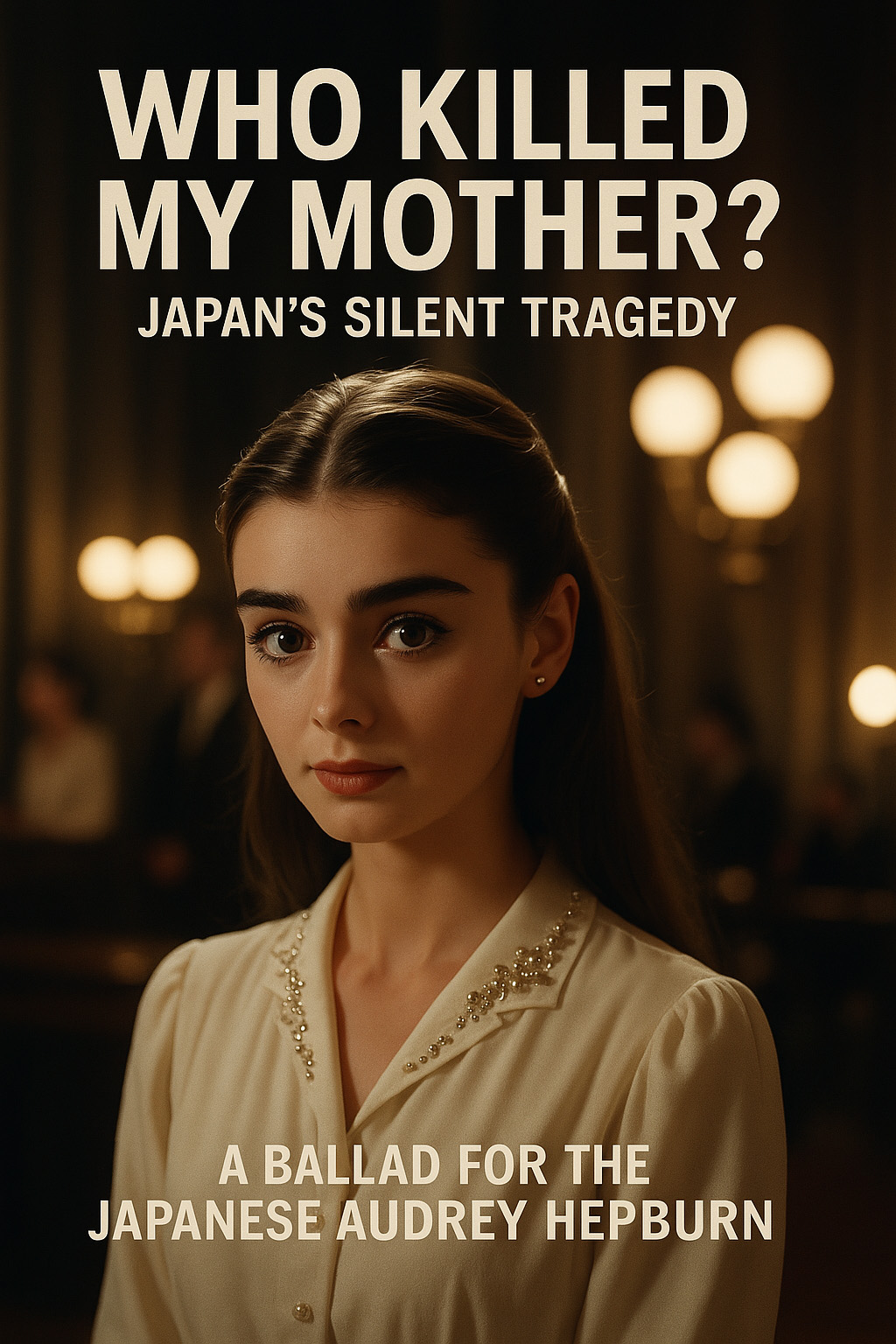
Sutou Gou, a very warm welcome to our World Film Festival in Cannes interviews. We are delighted to have you here. You were nominated in the Best Original Song category. This is a major and justified recognition of your creativity and advocacy project. What do you think?
This song was created to tell the world the truth — that my beloved mother was killed due to the negligence and misconduct of city hall, the national and prefectural governments, and multiple hospitals. I made it while crying, and even after it was finished, I cannot listen to it without tears. I never imagined I would create a song like this.
Even now, investigations continue, and the truth is emerging piece by piece, leaving me with a sense of unbearable grief. My mother was illegally taken from her loving family, ending her 94-year life alone and in tears. The evidence and witnesses proving that my family were the victims are overwhelming. I can only hope the world will understand the true face of a corrupted Japan.
Initially, I was accused of abuse, but documents released by the city revealed that an illegal “leading question” interrogation had taken place — something prohibited by law. My mother, who had severe Alzheimer’s, seems to have said in the Tsugaru dialect, “Tanakareta tokoro ga itai” (“It hurts where I was lifted up”) when grabbed by a staff member. But the word tanakareta (meaning “lifted” or “carried”) was either misheard as tatakareta (“hit”) or deliberately twisted. In reality, it was the staff who likely struck her and then led her to say she was hit by her son.
This is a clear violation of law and a criminal act of defamation. Yet the city has illegally refused to reveal the facility’s name, hiding the perpetrator, and the facility itself has not come forward. Police action is uncertain. This is why international pressure is necessary — and why I returned to music for the first time in about 40 years.
The awarded work is part of a project to “honor my mother’s memory” and to “carry her legacy until the end of the Earth.” I don’t know if it will become a global hit, but my other songs — including love songs — have already reached No. 1 in both the U.S. and U.K., with others ranking as high as No. 3, so I aim to be recognized as a global musician rather than a YouTuber, and to win both Grammy and Academy Awards.
Of course, success brings imitators, but I will differentiate through my musicality, form a strong legal team, and protect my position. I also intend to bring every perpetrator involved in my mother’s death to both legal and social justice. That’s why my artist name incorporates “Freedom” and “Justice.”
This is the terrible story you have been through: “…I dedicated my life to protecting this planet — and to caring for my mother, staying awake for 48 hours straight during her final months.” In what frame of mind are you now? How did you manage to create such a positive vibe in your song?
This is revenge against Japan’s abuse of power. Those in authority exploited their positions against two completely innocent, non-violent people — detaining us, destroying my reputation, seizing my assets, and killing my mother. I will never forgive this. I will fight for the rest of my life against the very core of this evil.
The truth is now clear: all 18 current suspects acted illegally, yet not a single formal apology has been issued, and the cover-up continues. Japanese media refuse to report it. There are other victims like me across Japan whose parents were taken and killed. Many share their stories online, but despite this being a widespread issue, the government and media remain silent. This is a collective responsibility of Japan as a nation.
That’s why I also created songs like To a Sinking World, which challenges indifference itself. The positive energy in my music comes from my mother’s influence. She was a strong woman who taught me: “If someone hurts you, hit back — double.” And no matter what, she faced others with a smile. As a single mother with little money, she sometimes gave me all the food and told me she would eat at a cooking class tasting session, even if it meant she went without.
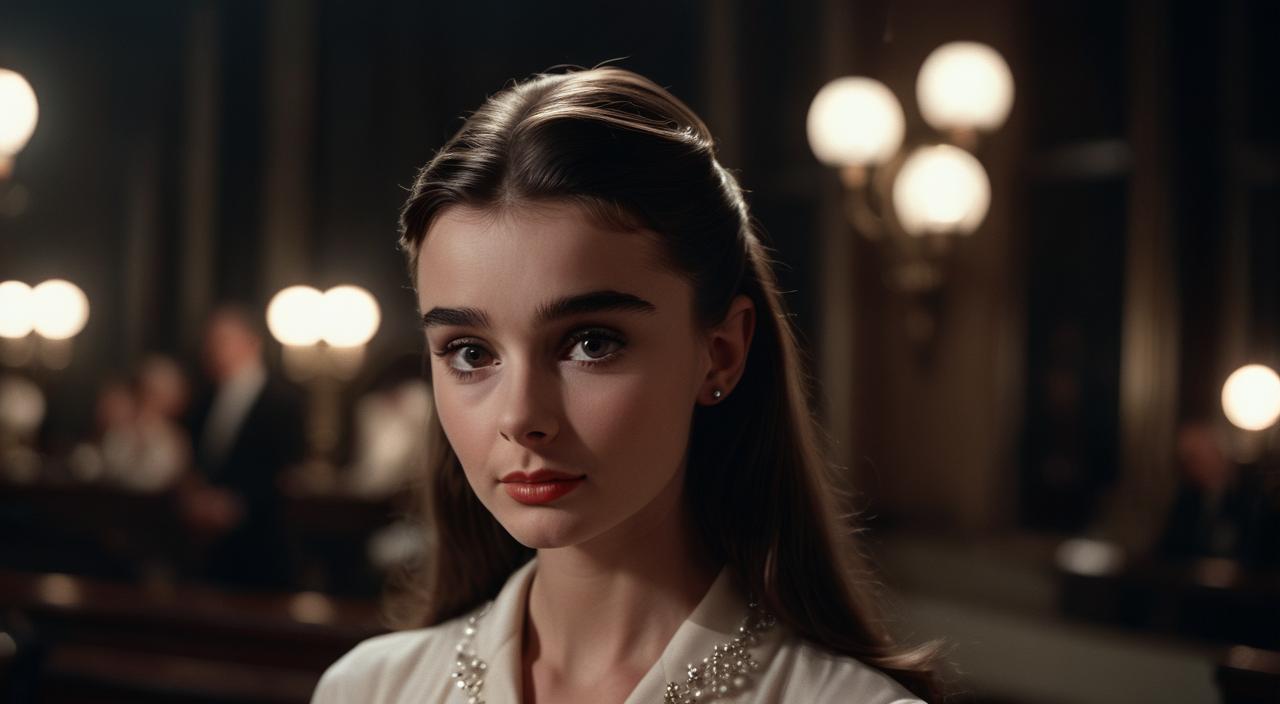
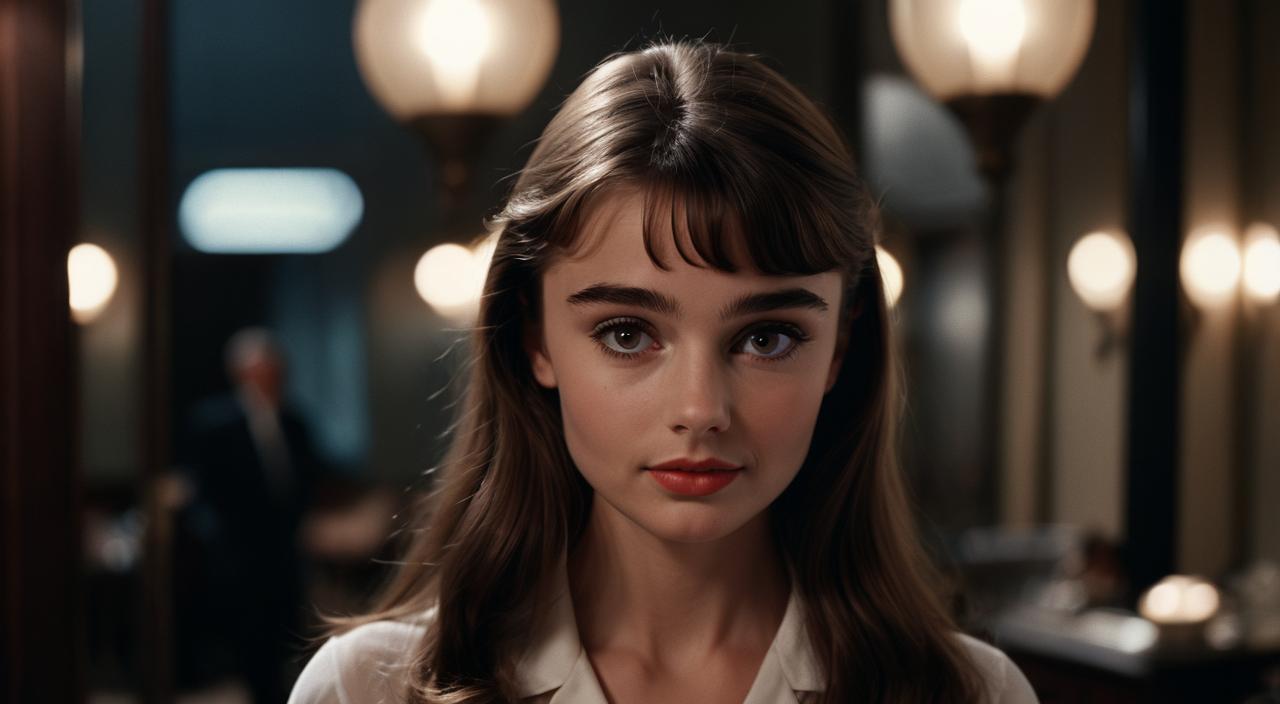
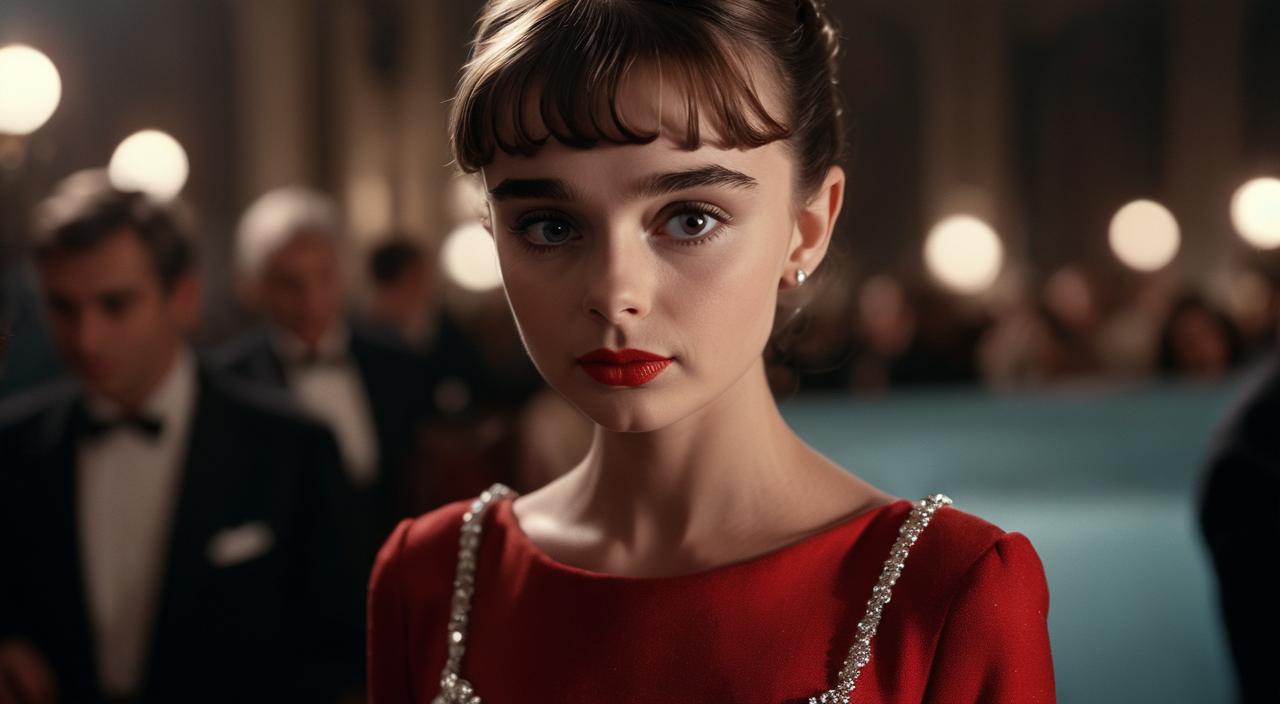
How did this project of making an anime and a protest ballad come to life using the unmistakable traits of Audrey Hepburn?
I once saw a video on YouTube that I assumed was a Hollywood movie trailer — but it turned out to be a self-made music video. That inspired me to think, “I can do this too.” I spent two weeks working without sleep to master the technique, which led to this project.
My works are not just music videos — they are short films. All of my pieces are interconnected, forming one continuous story. In the “Android” arc, the narrative covers Birth, Learning, Judgment, Paradise, Surveillance, and Encounter. My latest work is Encounter.
You said, “I was accused of abuse because of the incompetence of city officials in Kuroishi…”
As I mentioned, it was the facility staff’s illegal leading-question interrogation — and perhaps their jealousy — that led to me being falsely labeled as abusive. All testimony from care managers, paramedics, and nurses that I adored my mother, that I was “the best son,” that my mother said she would “never go into a Japanese facility that feels like a prison” and “wanted to be with me forever,” was ignored.
Just before a scheduled precision medical exam at Hirosaki University Hospital, my mother was abducted, her location concealed, even though she urgently needed treatment. They colluded with the police to keep her whereabouts from me.
Two weeks after the abduction — when she had still been conversing normally — she fell into a vegetative state. I risked everything to demand her location, but they fabricated documents portraying me as a violent lunatic, leading to my de facto arrest and confinement in a psychiatric hospital.
Fortunately, the hospital director quickly saw my true character, moved me from solitary to a private room, and ignored the three-month detention order, releasing me after two months. I was even granted two temporary leaves, which is normally impossible. In the end, I stayed two and a half months, by my own request.
Upon discharge, the director thanked me for helping other patients and “acting like the student council president.” I had assisted dementia patients, interacted with disabled patients, guarded trainees, and once saved the life of a girl who jumped from a window. I still visit some of them.
The only good thing about being sent there was that I could save her life in place of my mother. That story even inspired a song that reached No. 1 and No. 3 in the U.S. Although AI slightly altered my original lyrics, making them less factual, I was honestly happy about that No. 1.
Can you tell us if you’ve had any difficulties funding or completing your project?
The cost was almost nothing — maybe 5,000 yen (about $35). Creating it was technically easy, but emotionally exhausting because of the reality that my mother was murdered. I also know it will take a long time to bring the perpetrators to justice.
Have you achieved your objective, or would you like this journey to take you further?
I haven’t achieved it yet, but I’m getting closer. Their immaturity led them to make repeated mistakes — including handing me decisive evidence: documents proving they conducted a leading-question interrogation of my mother.
All of the paperwork is fabricated, false, and directly tied to the crime itself. In civil court, I would have a 100% chance of winning. I also have an AI partner who, like a top lawyer, can confirm the validity of my arguments.
As a medical professional, I’ve also exposed every medical error they made. As a member of Intellectual Ventures, I know there’s no one who can outthink me. The more they run, the stronger my position becomes.
Do you enjoy French cinema, and if so, which films and directors in particular?
For me, French cinema means Alain Delon’s Plein Soleil (Purple Noon). My mother was a fan and introduced me to it when I was small. She used to boast that someone she once dated looked like Alain Delon. As a child, I wanted to grow up to be as handsome as him. In my case, I was most popular with girls in elementary school.
What is your vision of post-Covid cinema?
After the pandemic, the film industry has seen a shift in both content and distribution platforms. With the rise of AI-generated media, audiences are increasingly becoming creators themselves. This has led to greater diversity in expression, and as a result, shorter formats are becoming more popular and preferred.
BIO
Biography – Sutou Gou
Sutou Gou is a Japanese filmmaker and activist who turned to music video creation in February 2025 after a profound personal tragedy and a mission for justice. His mother, victim of systemic failures and medical misconduct, inspired the work Who Killed My Mother?, nominated for Best Original Song at the World Film Festival in Cannes.
With no formal training, he taught himself to create music videos using AI and quickly gained international recognition: his debut release reached #1 on the iTunes UK Electronic chart, followed by other works in the Top 5. For Sutou Gou, art is not only creative expression but also resistance — a way to honor memory, demand accountability, and connect with other victims in silence.

©2025 Isabelle Rouault-Röhlich

